Truffle Homes
Menu
Home inspections made easy: What to prioritize for long-term peace of mind
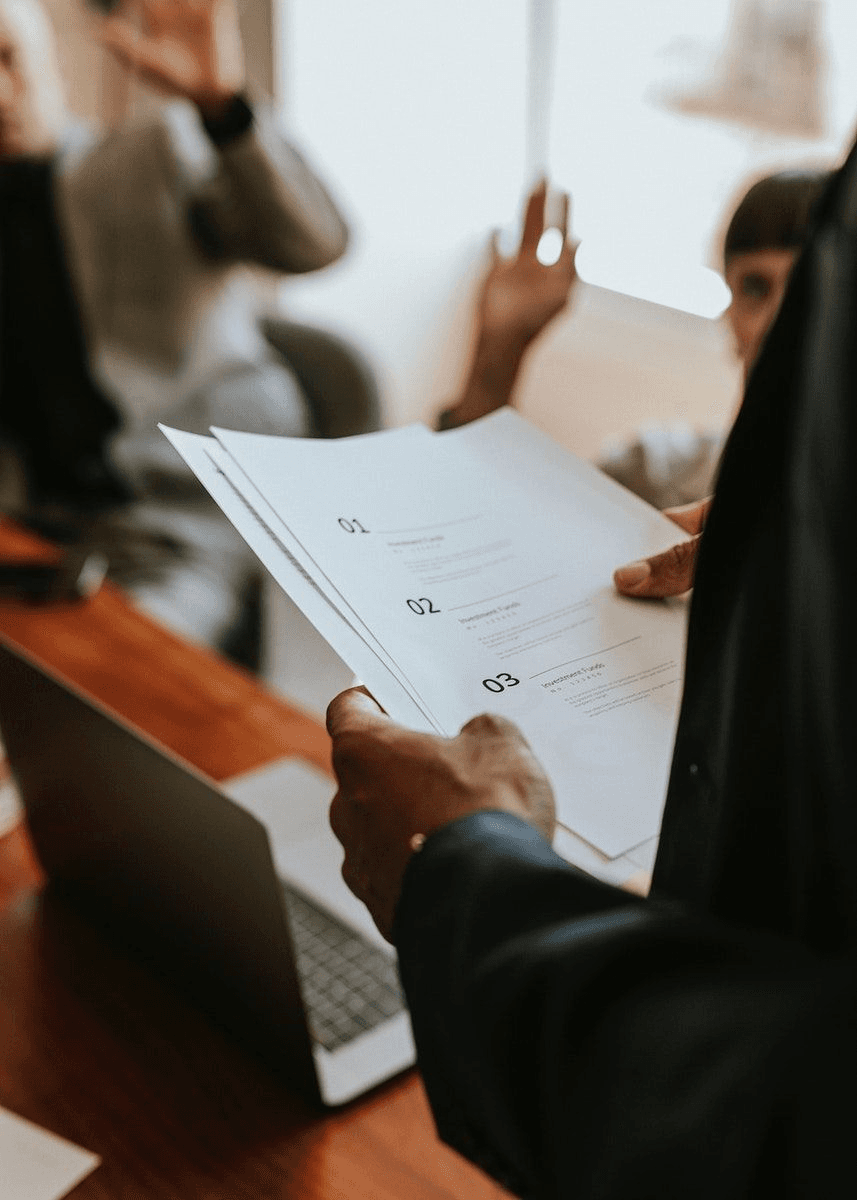
A home inspection is one of the most critical steps in the buying process. It's your opportunity to uncover potential issues before they become expensive surprises.
What inspectors look for
Structural integrity
The foundation, walls, and roof are the backbone of any home. Inspectors will check for cracks, settling, water damage, and other signs of structural compromise.
Mechanical systems
HVAC, plumbing, and electrical systems are thoroughly evaluated. The age and condition of these systems can significantly impact your maintenance costs.
Safety hazards
Inspectors identify potential safety issues including outdated wiring, radon levels, mold, and asbestos.
How to prepare for inspection day
Be present during the inspection if possible. This gives you the chance to ask questions and see issues firsthand. Take notes and photos for your records.
Interpreting the report
Not every issue in an inspection report is a deal-breaker. Learn to distinguish between minor maintenance items and major structural concerns that could affect your decision.
Negotiating after the inspection
Use the inspection findings as a negotiation tool. You can request repairs, ask for price reductions, or negotiate credits at closing to cover necessary fixes.